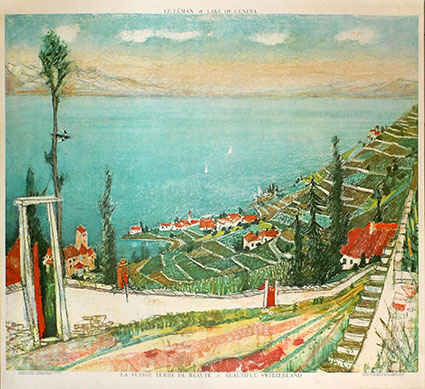
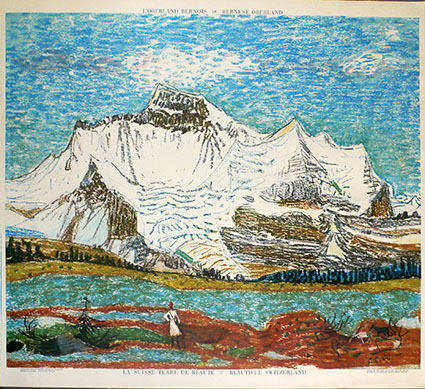
Colin Banks
The typographer and designer, Colin Banks (1933-2002) was an important figure in British graphic design.
Colin attended art college in Kent, after WW2, where he met his business partner, John Miles. Together,
they established themselves as graphic designers in 1958.
Colin recalled that, back then, there was no competition in graphic design; but, that there was not much demand for it either...
Hardly anyone, back then, would have identified themselves as a graphic designer. Indeed, the term had only just been invented.
It’s interesting to consider that, back in the 1950s, there were probably only a handful of people who though of themselves as graphic designers…
and there would have been even fewer typographers.
In the 1960s, as advertising, branding, retail and design began to merge, Fletcher Forbes Gill (later, Pentagram) and Birdsall Daulby Mayhew Wilbur (BDMW)
emerged to provide the template for go-getting creative agencies. Importantly, they self-identified as graphic designers. Banks & Miles were an equally important part of this vanguard.
In this context, Colin Banks was able to make substantial contributions to national life by the consideration and elaboration of lettering and identity; most
notably in his work for Royal Mail, British Telecom, and for London Transport.
His approach combined the practical example of the typographic pioneers, Edward Johnston and Eric Gill, and also the idealist philosophy of the design reform in relation
to projection and evident in the efforts of, Stephen Tallents and Frank Pick. Notwithstanding the obvious link to arts-and-crafts design reform, Banks was never old-fashioned.
Banks believed in the absolute value of craft skills and their attendant standards of production. He was able, during the 1970s and 1980s and by virtue of this sensibility,
to effect the typographical transition, to the digital realm, for these national institutions.
British Telecom
Land-line telephone companies had traditionally published hard-copy directories of their subscribers…In British Telecom’s case, the directories had become an increasingly
burdensome responsibility as the number of subscribers had grown ever larger. Banks rationalised the typographic organization and presentation of the directories.
Quite apart from the evident clarity of the presentation, the new directories made much better use of space and were able to present more information on fewer pages.
The cost saving and environmental saving of paper (wood) resource was the equivalent of millions of pounds saved, every year!
London Transport
Edward Johnson’s, Underground Lettering (1916) had been elaborated, in wood-letter form, to provide visual consistency across the posters and publicity of the railway.
Over the years, the range of outcomes had grown beyond the scope of Johnston’s relatively limited range of sizes and weights of letter. Banks elaborated a digital version
of Johnson’s original in the full range of sizes and weights demanded by a modern institution. This extended the scale and scope of the original and, today,
the lettering is identified, explicitly, as London’s Handwriting
Colin Banks provides an important link, in a British context, between arts-and-crafts design reform and to our accelerated digital realm.
The considered typography and intelligence of his contribution provides authority and calm and helps shape our understanding of the modern world
through our engagement with its structures, systems and institutions.
Colin Banks was an historian and collector of print culture. He’s believed absolutely in the value of historic design as a good example and, accordingly,
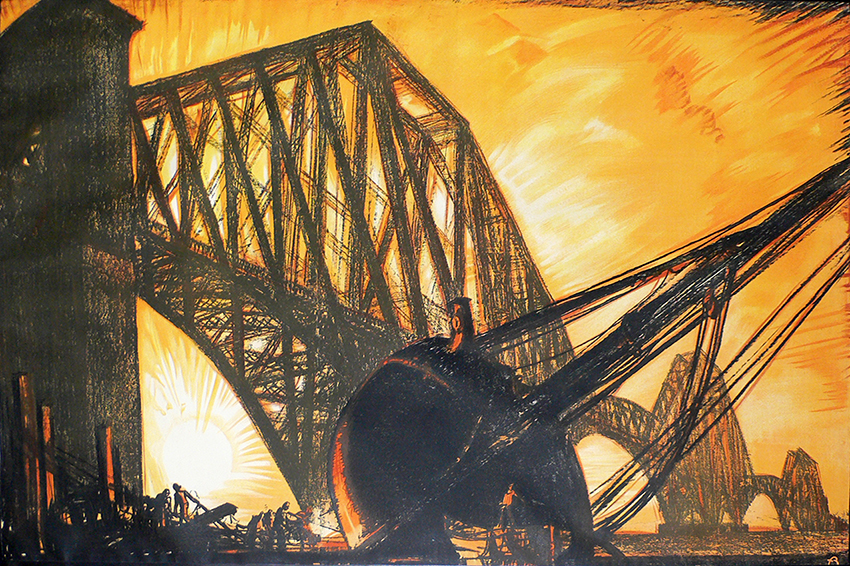
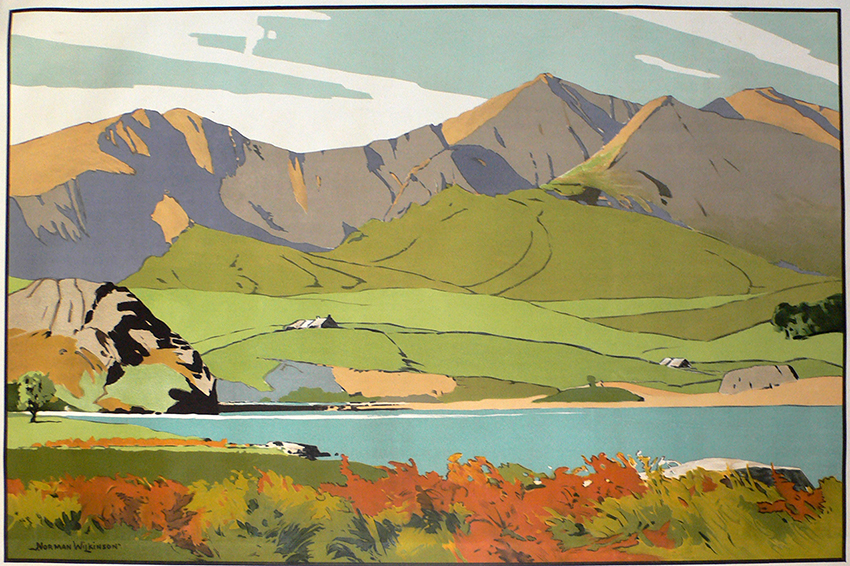
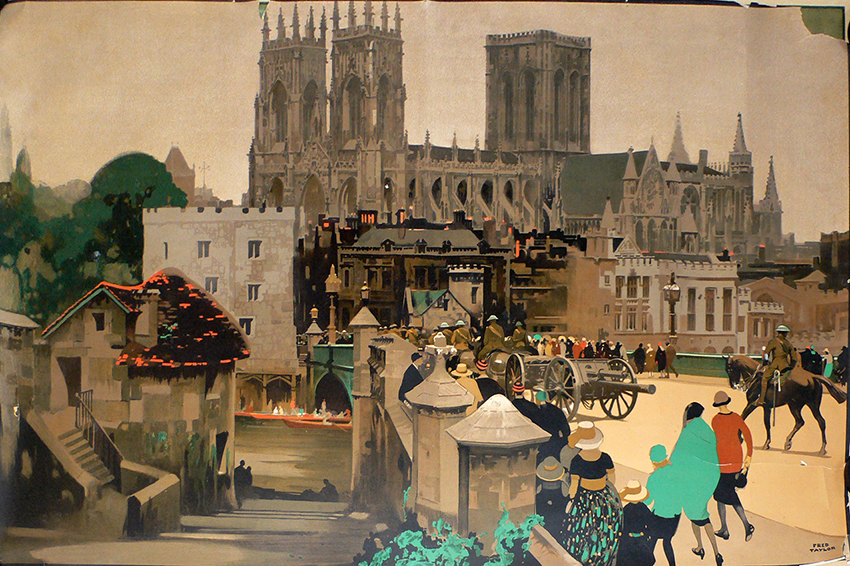
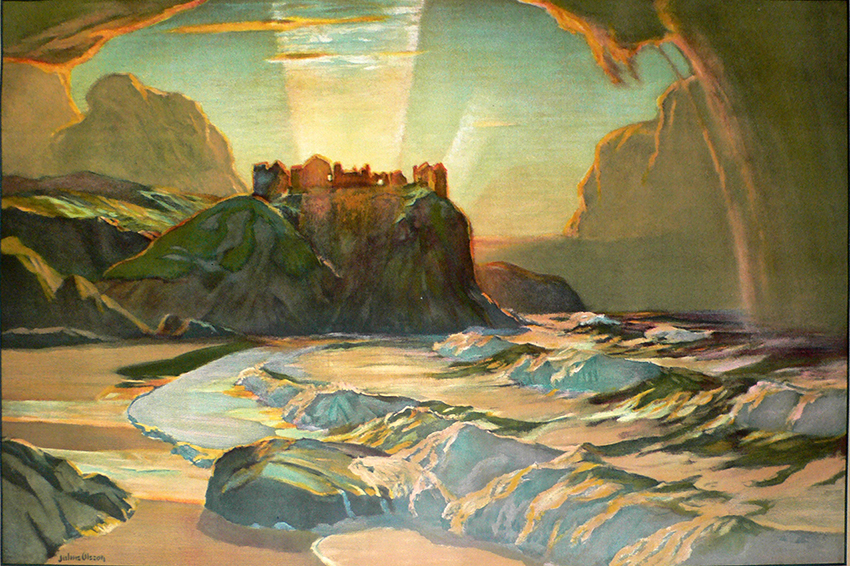
surrounded himself and his family with interesting and functional things that were also beautiful. We are proud to offer these posters and prints from the collection of Colin Banks.
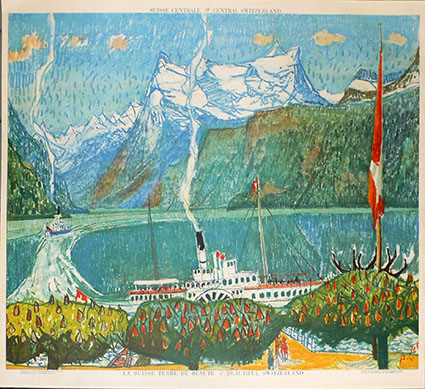
 1940s Swiss Tourist Board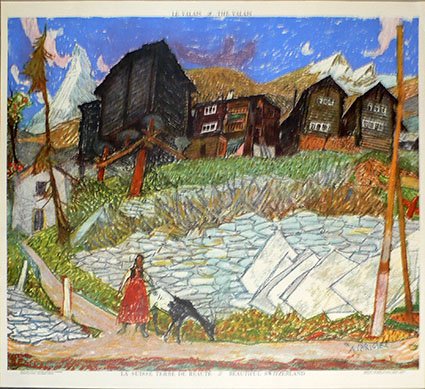
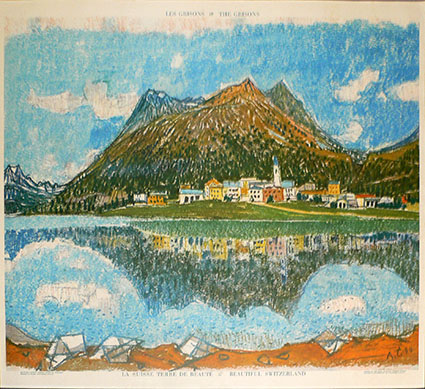
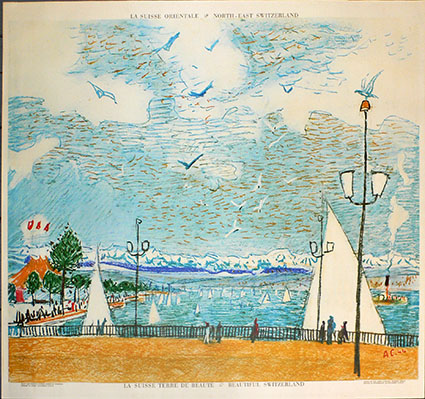
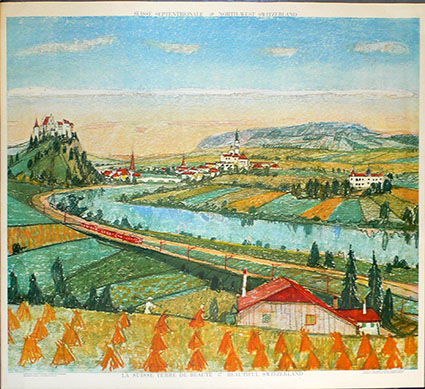
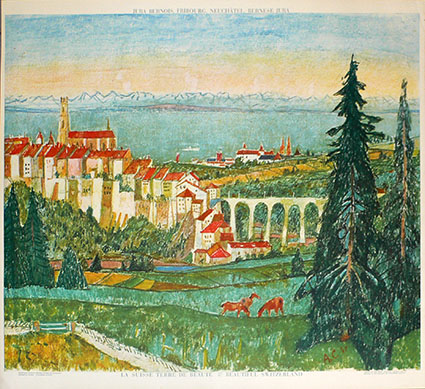
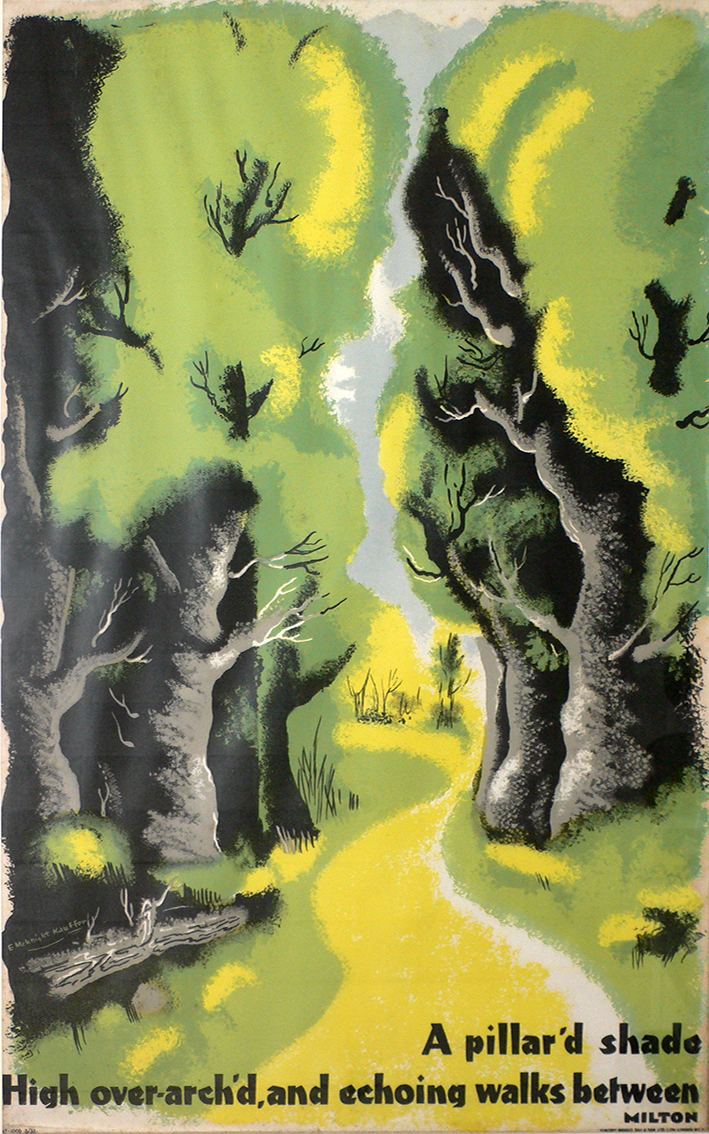
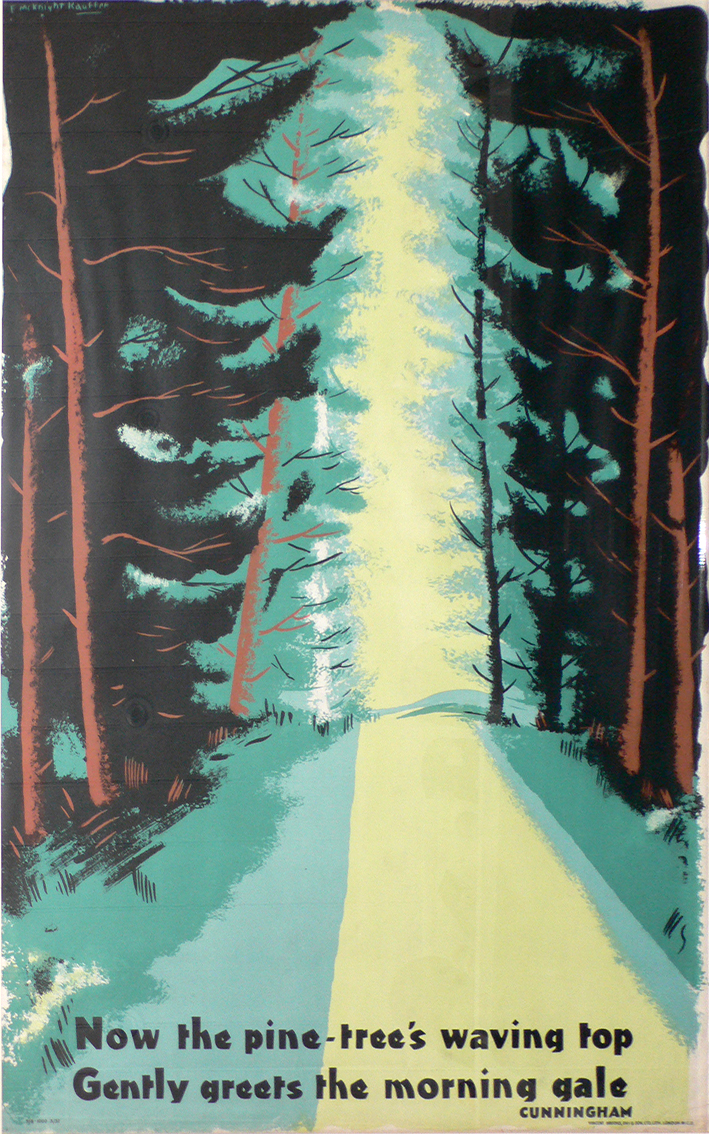
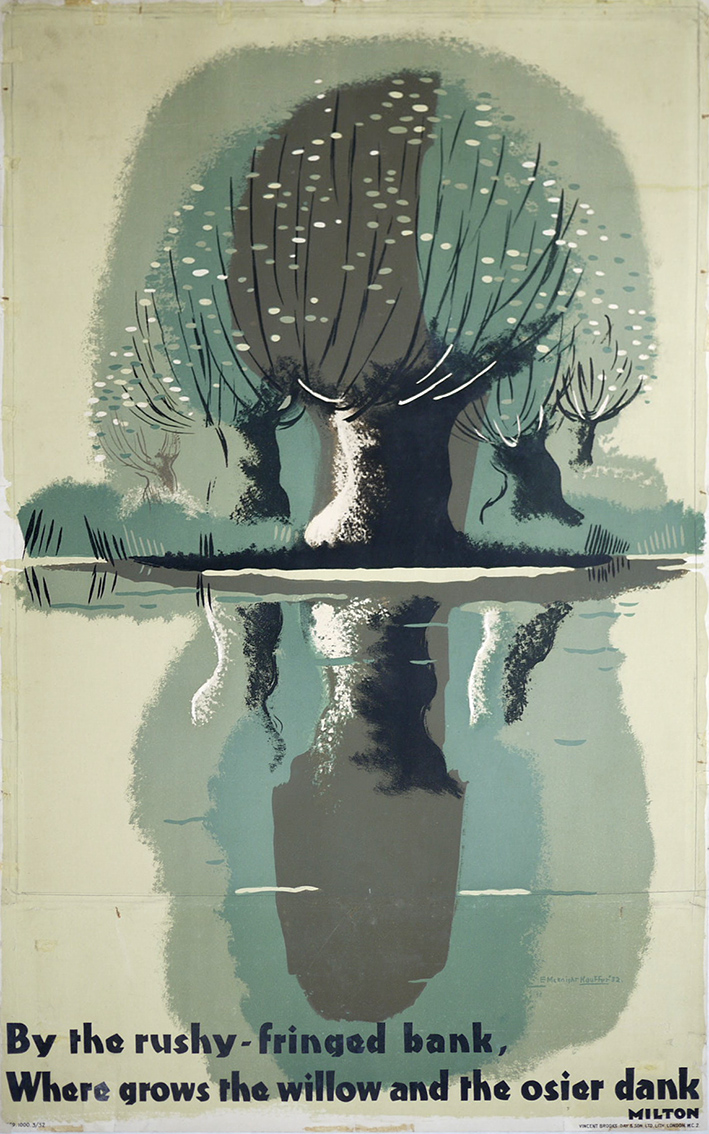

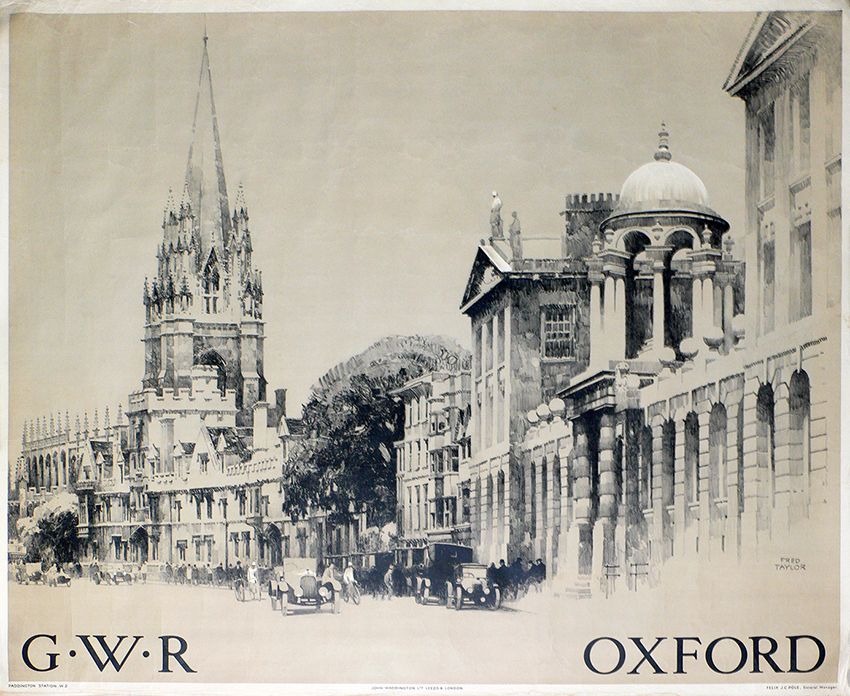
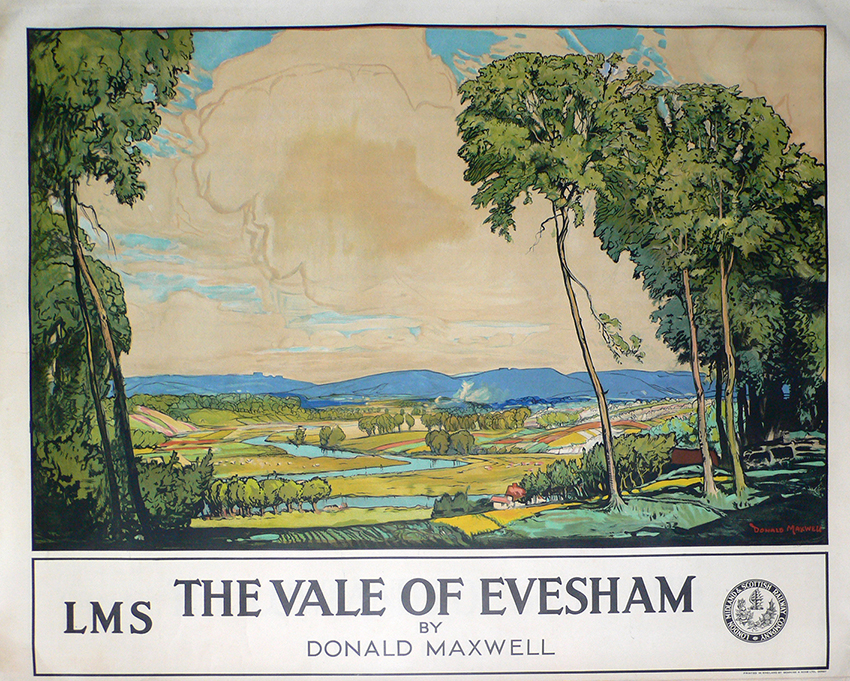
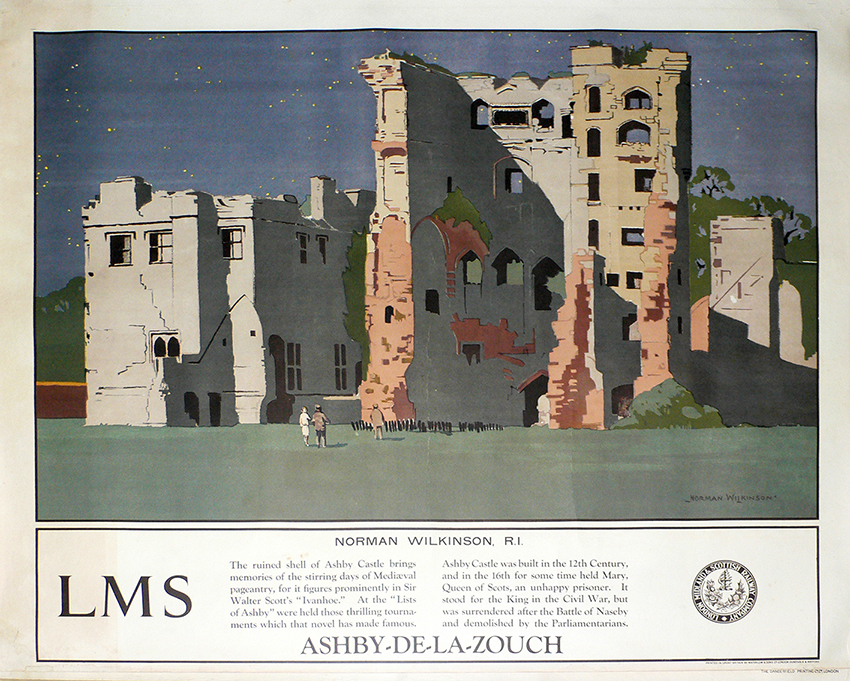
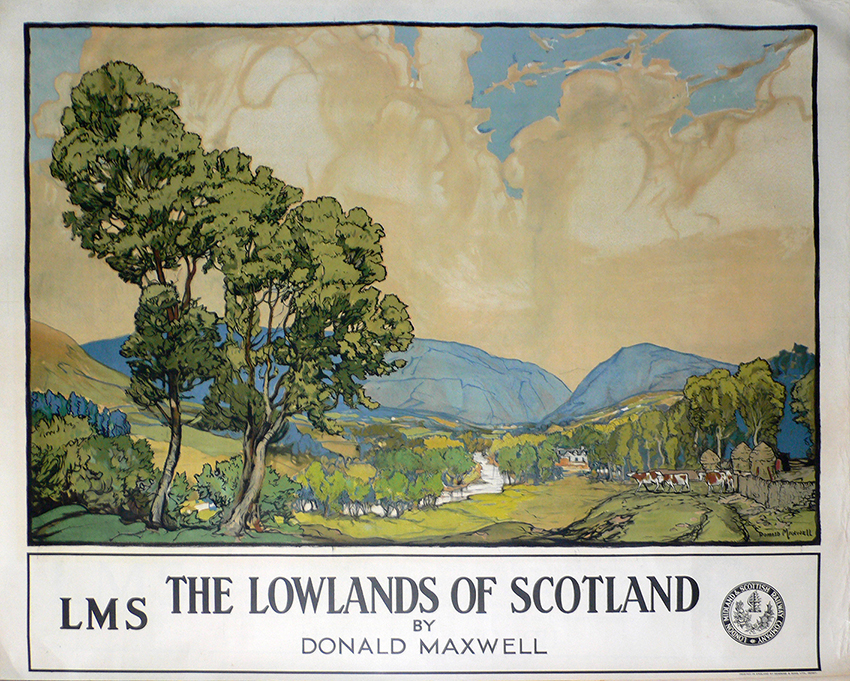


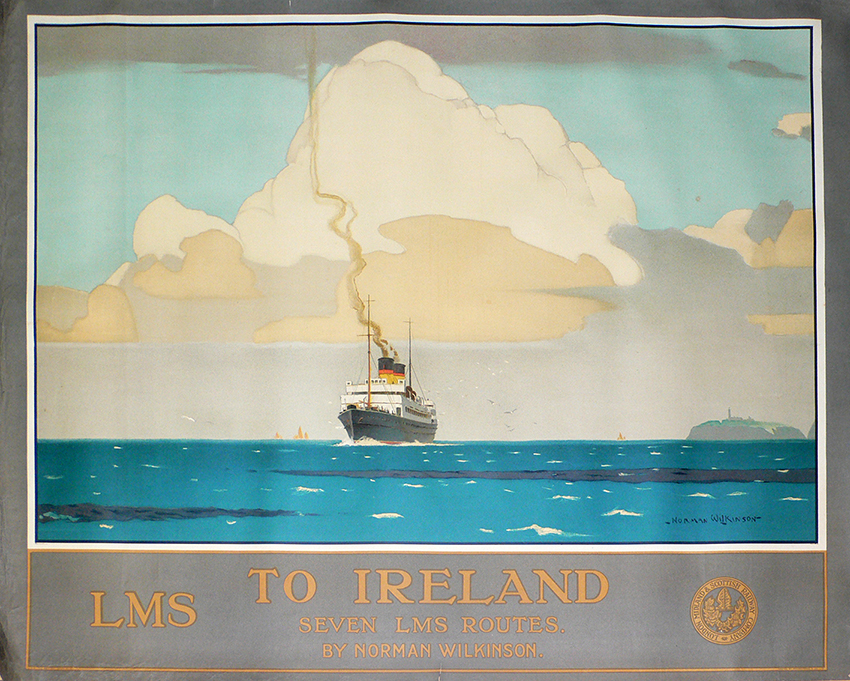

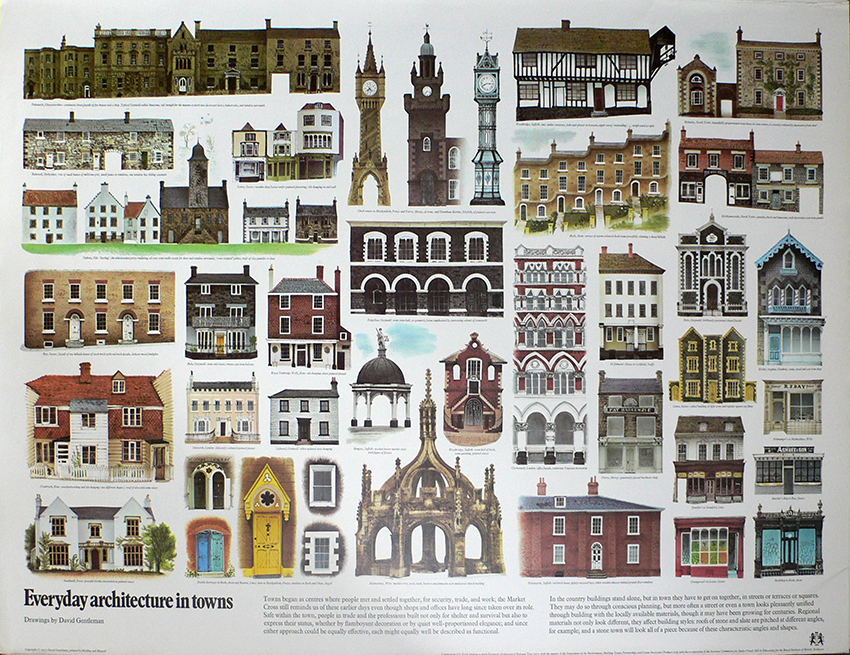
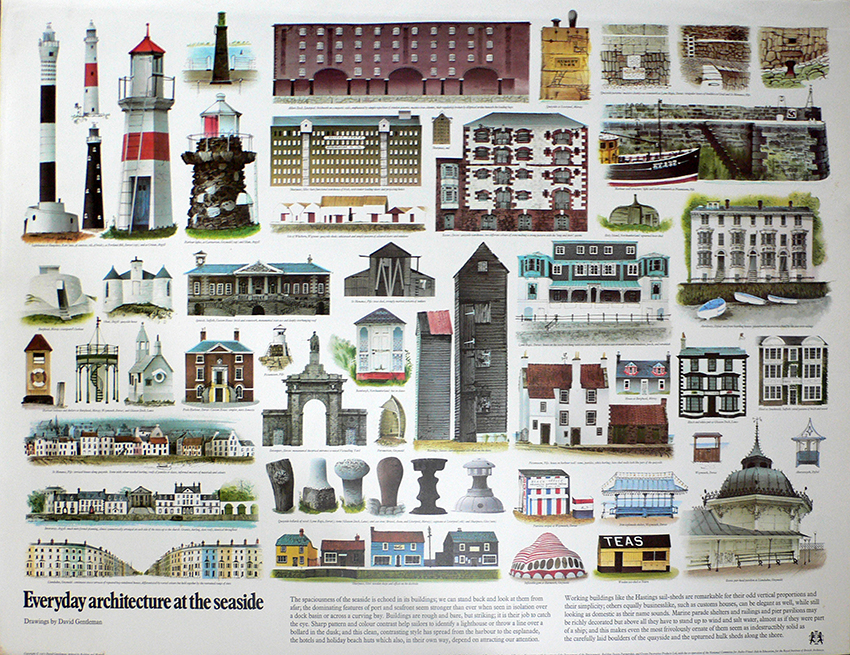
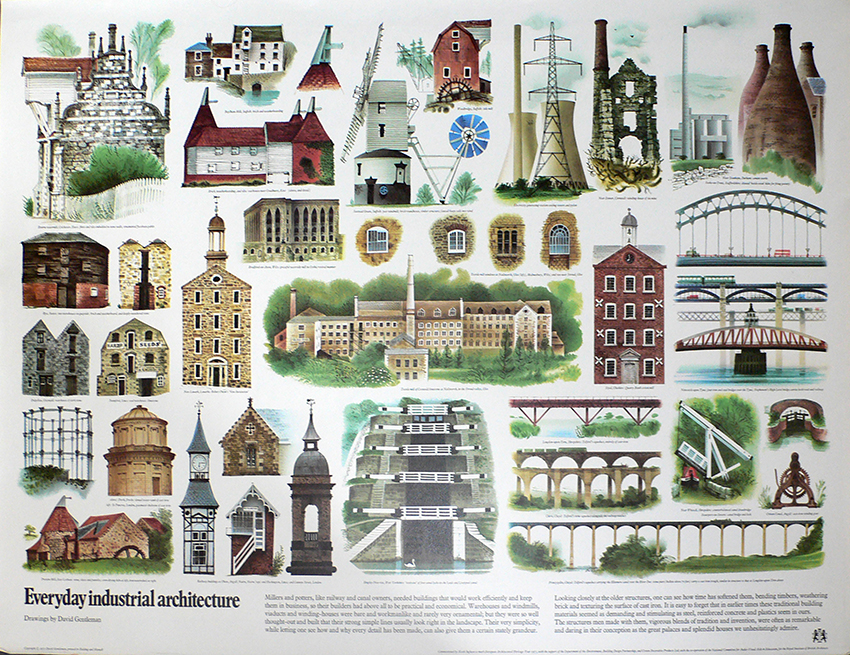
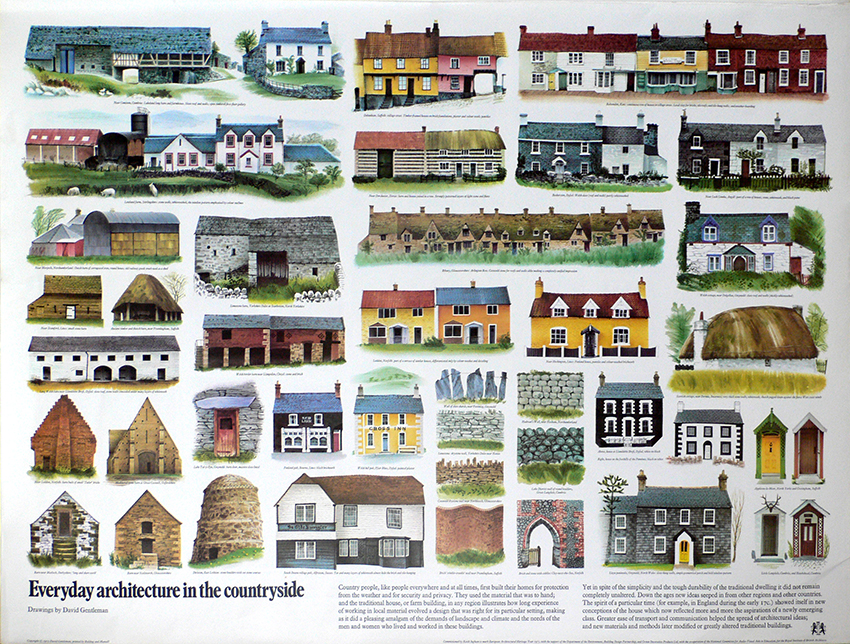
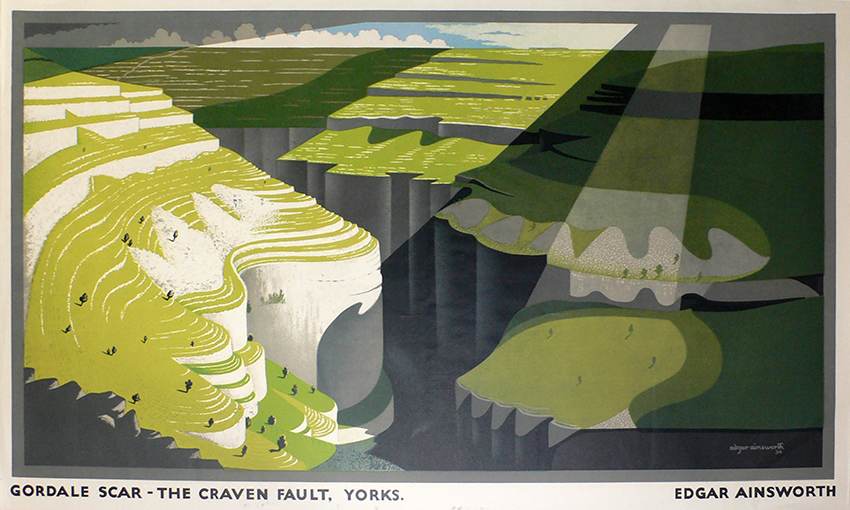
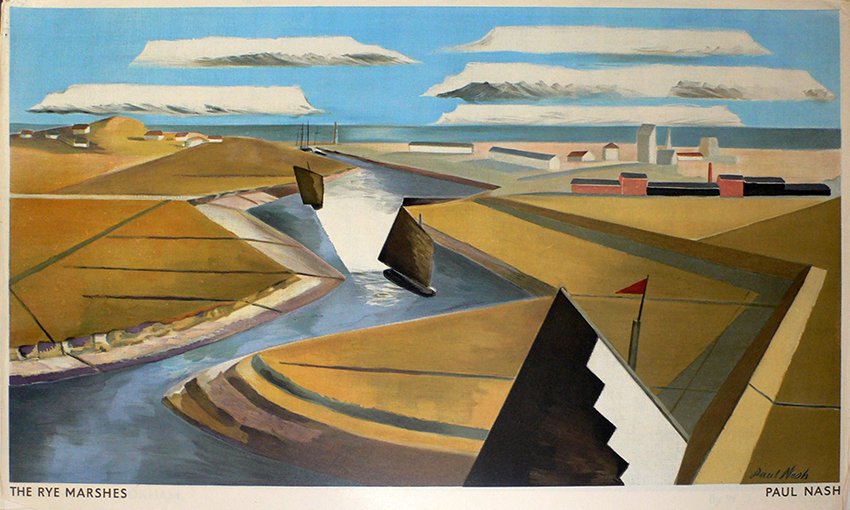
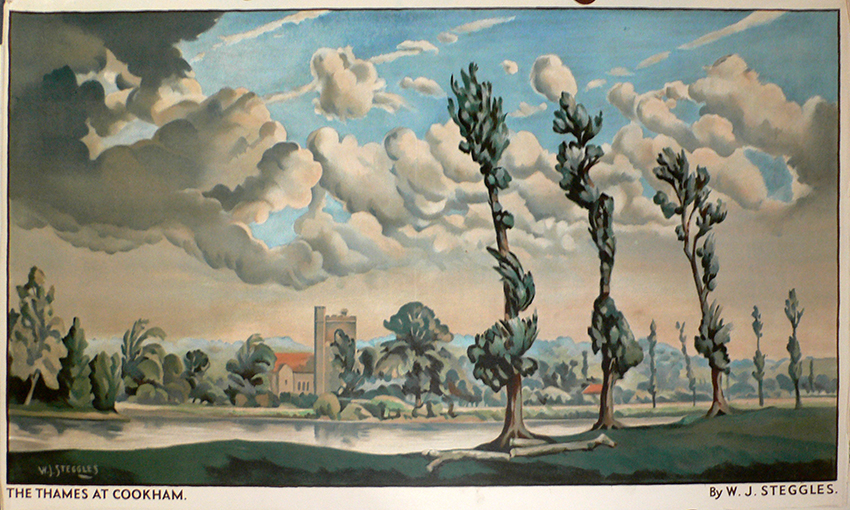

Over the years, we've seen quite a few British posters with the captions trimmed off...
This reflects, in part at least, a widespread sensibility that viewed the images as more important than the words.
In relation to railway posters, the trimming was often done to accommodate the poster images into the frames of the platform waiting rooms. Perhaps the slightly smaller size, and the less strident voice, of these trimmed posters made them more suitable for display in a room setting, whilst sitting down.
Even in the 1990s, when we started showing posters, people would say that they liked the images but were unsure about the words. Nowadays, people appreciate the words and typography.
These trimmed posters offer a very rare chance to purchase rare images in wonderful colour lithography.